Managing diabetes often comes down to making smart food choices. For many Nigerians, one of the biggest challenges is finding healthy alternatives to everyday staples that still taste good and provide energy. This is where plantain flour comes in. Why Diet Matters for Diabetes Diabetes affects how the body manages
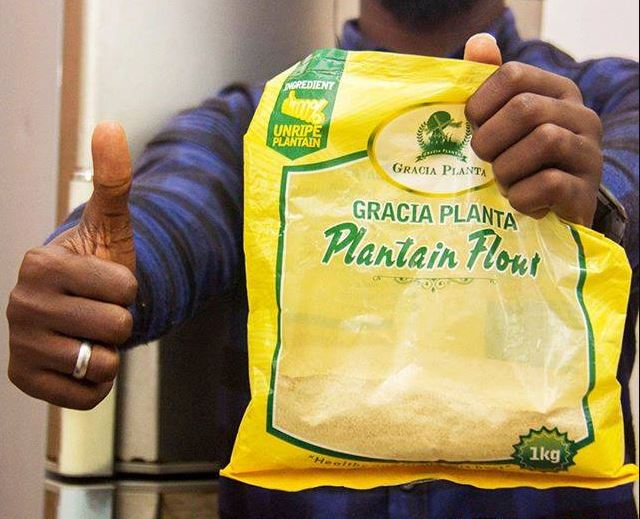
Managing diabetes often comes down to making smart food choices. For many Nigerians, one of the biggest challenges is finding healthy alternatives to everyday staples that still taste good and provide energy. This is where plantain flour comes in.
Diabetes affects how the body manages blood sugar (glucose). Eating foods with a high glycemic index (GI) — like white rice, white bread, or processed flours — can cause blood sugar to spike, which is dangerous for people living with diabetes. The goal is to eat foods that release energy slowly, keeping blood sugar steady.
Unripe plantain flour has a lower glycemic index compared to processed flours, meaning it releases sugar gradually into the bloodstream. This helps prevent sudden spikes in blood sugar levels.
Plantain flour is high in dietary fiber, which slows down digestion and absorption of sugar. Fiber also promotes fullness, making it easier to control portion sizes.
It contains essential vitamins and minerals like potassium, iron, magnesium, and vitamin B6 — all of which support energy, blood circulation, and overall wellbeing.
Excess weight can worsen diabetes symptoms. Because plantain flour is filling and nutrient-dense, it can help reduce overeating while keeping the body nourished.
While plantain flour is a healthier option, portion control is still key. Eating large quantities of any carbohydrate can raise blood sugar. Always consult with a nutritionist or healthcare provider before making major dietary changes.
1. Is plantain flour safe for diabetics?
Yes. When made from unripe plantains, plantain flour has a lower glycemic index and can help keep blood sugar levels stable. It is generally safe for diabetics when eaten in moderation.
2. How often can diabetics eat plantain flour?
Plantain flour can be eaten several times a week, but portion control is important. A small to medium serving per meal, paired with vegetables and lean protein, is recommended.
3. Does plantain flour raise blood sugar?
Like all carbohydrate-based foods, plantain flour will raise blood sugar, but at a slower and steadier rate compared to refined flours. This makes it a healthier option for blood sugar management.
4. Can plantain flour replace wheat flour for diabetics?
Yes. Plantain flour can be used as a substitute in some recipes, especially for swallow, pancakes, or porridge. However, it may not always behave exactly like wheat flour in baking.
5. Is ripe or unripe plantain flour better for diabetes?
Unripe plantain flour is the better choice for people with diabetes. Ripe plantains contain more sugar and may lead to higher blood sugar levels.
For people living with diabetes, plantain flour is a smart and natural alternative to processed flours. Its low glycemic index, fiber content, and rich nutrients make it a valuable part of a balanced diet.
At Gracia Planta, we are committed to providing pure, natural plantain flour that supports healthier living for every home.
Eat better. Manage better. Choose Gracia Planta.
WhatsApp us